
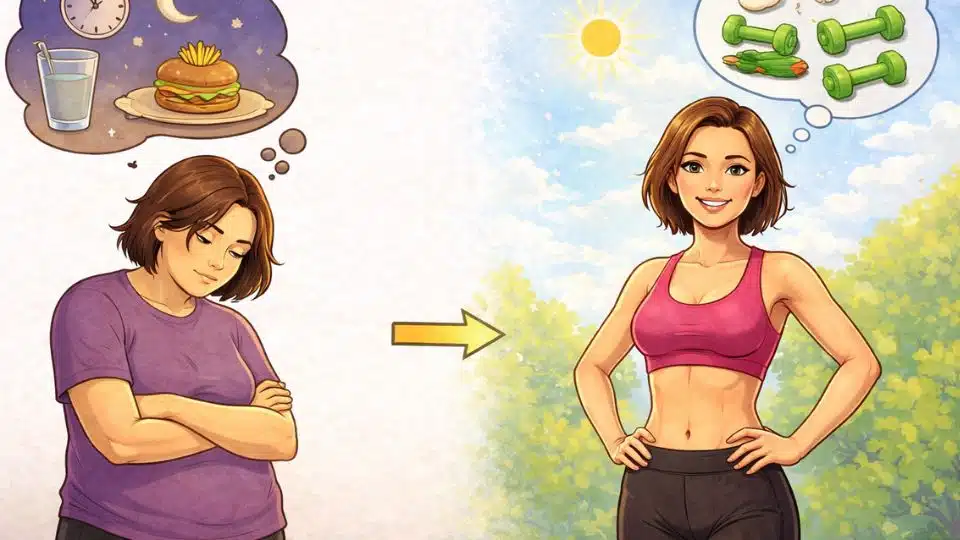
Fasting 24 hours (water only) means no calories from, say, 7pm one day until 7pm the next. This timeline spans typical metabolic phases: first you burn stored sugar, then shift into fat-burning and mild ketosis. Most people find it doable by skipping dinner to dinner, using sleep to get past the biggest hunger surge. If done mindfully, you may see small improvements in weight/fat or insulin, but keep expectations realistic (1‑2% body weight loss per month at best). The hard science says benefits are mostly linked to weight loss and metabolic switching – not magic. It’s not for everyone (see contraindications), and you should break the fast gently (start with protein/fiber, not cake) to avoid discomfort or rare electrolyte swings. This guide covers who should not fast, an hour-by-hour breakdown of what happens inside you, two schedule options, troubleshooting tips, and what the research literature actually shows about 24‑hour fasting vs. other diets.
Who Should (and Shouldn’t) Fast
A 24‑hour fast is not a default health hack for everyone. Certain people should avoid or carefully supervise it:
- Pregnancy/Breastfeeding: Authorities like the National Health Service and pregnancy nutrition groups strongly caution against prolonged fasting in pregnancy or nursing. They note that fasting can affect blood sugar and hydration, which are critical in pregnancy. In practice, dietitians advise pregnant women not to go more than ~12 hours without eating.
- Eating Disorders or History of Disordered Eating: Large surveys (e.g. in teens and young adults) found intermittent fasting was correlated with more restrictive eating attitudes and higher risk of eating disorders. If you have (or are recovering from) an eating disorder, intermittent fasting can trigger unhealthy patterns. Talk to a therapist or dietitian before trying any fast.
- Diabetes or Hypoglycemia: Fasting changes blood sugar dynamics. For type 1 diabetics or those on insulin/sulfonylureas, 24-hour water-only fasts carry a real risk of low blood sugar (hypoglycemia) or even DKA if mismanaged. In a Ramadan-fasting context, diabetes experts advise checking glucose often and adjusting meds or even skipping the fast if needed. If you have diabetes, consult a doctor before trying a full fast.
- Underweight or Nutritional Risk: If your BMI is low, or you’re malnourished, fasting is unsafe. Likewise, people with chronic illnesses (kidney disease, advanced heart disease, etc.) or the elderly should get medical clearance.
- Young Children: Fasting is for adults. Children and teens, especially growing ones, should not fast.
Read also: Get Slimmer in Just 9 Days: Join Our Free Weight Loss Challenge!
In short, if you’re a healthy non-pregnant adult without major medical issues, a one‑day water fast is usually safe when done responsibly. But if you’re on medications, or anything above raises a flag, treat fasting like a medical intervention: plan it, check in with healthcare providers, and have an exit plan if you feel unwell.
Inside Your Body: The 24‑Hour Physiology Timeline
Fasting is essentially a switch in fuel sources. In the fed state, insulin is high, glucose is plentiful, and cells use glucose. Once you stop eating, insulin falls, glucagon rises, and your body transitions to stored fuels. Here’s how it typically unfolds:
- 0–4 hours (post-meal): You’re still digesting. Blood glucose from the last meal provides energy. Insulin is relatively elevated (though starting to decline).
- 4–12 hours (post-absorptive): Insulin has dropped, and the liver releases glucose from glycogen (glycogenolysis). StatPearls notes that most glycogen is in the liver, which “has the greatest role in the maintenance of blood glucose during the first 24 hours” of fasting. Blood sugar remains stable.
- 12–24 hours (glucose storage out, fat starts in): By ~12–24h, liver glycogen gets depleted. Glucagon is now relatively high, triggering gluconeogenesis (making new glucose from amino acids) and ramping up fat breakdown (lipolysis). Free fatty acids flood the blood. The liver converts many of these FFAs into ketone bodies (acetone, acetoacetate, β-hydroxybutyrate). Brain and muscle start using ketones, so the body slowly “flicks on” the metabolic switch.
- Beyond 24h: Ketones continue to rise (though modestly by 24h), and fat is the dominant fuel for many tissues. Muscle protein breakdown is minimal at first (the body tries to spare protein), but gluconeogenesis from protein slowly contributes to blood glucose as needed. Note: the endocrine response also shifts — growth hormone surges (a study found GH rose ~5-fold after 24h fasting) to preserve lean mass and increase fat use, while 24h energy expenditure dropped ~8%.
What about hunger? The hunger hormone ghrelin tends to follow meal timing, not just a linear climb. In short fasts, ghrelin often spikes around your normal meal times and then falls. Human studies of extended fasts show ghrelin levels can stay rhythmic with circadian patterns rather than continuously rising. In practical terms, you might feel a wave of hunger at your usual mealtimes, especially in the first day. After 24h, the wave often subsides a bit (remember, ketones also have appetite-suppressing effects).
Nutrient-Sensing: When you haven’t eaten, cellular pathways change. Lower insulin and nutrients dial down mTOR (so protein synthesis falls) and turn on autophagy and fat oxidation pathways. (Side note: humans don’t yet have easy clinical markers of autophagy in fasting. Animal studies show it ramps up, but human data mostly come from indirect signals.) In simple terms, the body “recycles” waste materials more actively and relies on fat and ketones instead of glucose.
Two Full-Day Fasting Schedules
There are two common ways to fit a 24h fast into daily life: Dinner-to-Dinner (D-D) or Lunch-to-Lunch (L-L). (If you’re religiously fasting with dawn/dusk, skip to your specific schedule — this guide is for plain-vanilla water fasts.) We describe each with timed actions, plus a comparison table. In both cases, the principles are the same:
- Stay hydrated. Drink plain water (or mineral water). Some people include a pinch of salt or electrolytes to ease symptoms, but that technically breaks “water only.” If you feel dizzy, a small amount of sodium can help (try a salty snack or broth after breaking the fast). Don’t overdo water either – sip as needed; excessive drinking without salt can dilute your blood sodium (rarely, life-threateningly).
- Move gently. A light walk is helpful, but avoid high-intensity exercise. Listen to your energy; it’s normal to feel a little fatigued in the afternoon as your body shifts fuels.
- Plan your activities: Many people choose a day off or a lighter workday. Busy mornings distract from hunger. Midday slump is common; rest if needed. An evening yoga or stretching session can alleviate headache or cramps.
- Sleep early/quality: Aim to wind down earlier than usual. Bright screens and late-night snacking (even if it’s only tea or black coffee) can make sleep harder. Recall: even small light waves from screens suppress melatonin and delay sleep onset.
- Watch for warning signs: If at any point you feel heart palpitations, severe dizziness, confusion, or you faint, end the fast immediately and eat or drink something. These are signs your body is distressed (not “failure”). Keep something like juice or glucose gel handy if you’re at risk for hypoglycemia.
Read also: 7 Days Body Detox Diet Plan: A Simple, Science-Based Reset
Schedule A: Dinner-to-Dinner
This is often easiest because you sleep through ~8 of the 24 hours. Here’s a sample schedule (assuming last meal at 7pm):
| Time | Dinner-to-Dinner Routine | Lunch-to-Lunch Routine (alt) |
|---|---|---|
| 7:00pm (Day 0) | Last meal (dinner): Balanced plate (protein + complex carbs + veggies). Eat slowly. Hydrate. Fill up on water or herbal tea after.<br>(Tip: Having a decent-sized dinner with protein/fiber will blunt your overnight hunger.) | Now: Eat lunch normally (protein + veg + moderate carbs). Finish by, say, 1pm. This is your last meal for 24h fast. |
| 8:00pm | Light activity or wind down (short walk, stretching). Start sipping water. Try to fill up modestly on non-caffeinated tea if you usually have an after-dinner drink. | During Fast: Drink water regularly. Keep busy in afternoon with gentle activities. Plan dinner chores for next day. |
| 8:00pm–11:00pm | Relax for the evening. Avoid screens about 1h before bed (bright light suppresses melatonin). Go to bed at usual time. Hydrate if thirsty. | Evening (Day 0): Dinner on normal schedule (e.g. 6pm). Then relax, sleep. |
| Overnight | Sleep (fasting while sleeping!). The body continues using glucose stores and fat for energy. | Overnight: Sleep; still fasting. |
| Morning (Day 1) 6–9am | Wake up. Drink water. (Optional: black coffee or unsweetened tea if you usually need caffeine, but beware it can accentuate jitters or insomnia.)*<br> Move gently (walk/stretch). You may feel slight hunger; distract yourself. | Morning: If lunch-to-lunch, you’re already >12h into the fast. You may feel morning hunger sharper because you skipped breakfast and lunch; hydrate and continue light tasks. |
| Late Morning (10–12pm) | Engage in work or errands. Listen to your body. Eat protein-rich or fibrous breakfast tomorrow. | Noon: You’ve hit 24h! Time to break fast. Proceed to Breaking-the-Fast section. |
| Afternoon (2–4pm) | Still fasting. Hunger may have another mild wave around this time (24h since dinner). Drink water. Finish light tasks. Avoid caffeine; fatigue often sets in. | |
| 5:00pm | You’re now 22–23h in. Prepare a gentle dinner meal (outlined below). Finish hydrating with water. | |
| 6:00pm (Day 1) | Fast complete! Break fast with a healthy dinner: start with protein (eggs/tofu/chicken), add veggies and a little starch. Hydrate. Avoid binge carbs/sugars — they’ll spike insulin and may make you feel nauseous after a long fast. |
Schedule B: Lunch-to-Lunch (Alternative)
If dinner-to-dinner doesn’t fit (e.g. social evening), some prefer midday fasting:
- Have lunch (say 1pm) on Day 0, then fast until 1pm on Day 1. This means sleeping hungry, which not everyone likes, but it has perks of fasting through most of the night and early morning hunger (often easiest part).
- The timeline is similar to above, just shifted ~6 hours earlier: skip dinner on Day 0, fast overnight, then break fast at lunchtime on Day 1.
- In practice, keep breakfast and morning snacks minimal on Day 0, end eating by early afternoon.
- Use the same principles of hydration, rest, and gentle movement.
The table above compares the two routines step-by-step.
Also Read: Speed Slim Weight Loss Challenge
Breaking the Fast: What to Eat and Safety
After ~24h without calories, breaking fast carefully is key. Your metabolism is primed to store some incoming energy again. Follow these tips:
- Go Protein-First: Bodybuilders and nutritionists agree that protein restart is smart. After fasting, muscles are sensitive to growth signals. Studies show muscle protein synthesis is very low in fasted state and jumps when you eat protein. Practically: break your fast with eggs, Greek yogurt, chicken, tofu – whatever you normally digest well.
- Add Fiber & Veggies: Fill the rest of the meal with vegetables and some fiber. Fiber slows digestion and prevents a rapid blood-sugar spike.
- Limit Refined Carbs: It can be tempting to eat a donut after a long fast, but refined starch/sugar will cause an insulin surge. Remember, insulin will abruptly curb your fat-burning and can lead to reactive hunger or nausea. Keep bread/rice moderate.
- Rehydrate & Electrolytes: Continue sipping water or herbal tea. If you used salt or electrolyte powder during the fast, maintain a little for a few hours afterwards to stabilize.
- Watch Portion Size: Your stomach has shrunk a bit (gastric emptying is slower during fasting). Aim for a modest meal. Eating extremely large amounts can overwhelm your digestion and leads to discomfort.
Refeeding Syndrome? For 24h fasts in a healthy person, refeeding syndrome is extremely unlikely. Refeeding problems (dangerous electrolyte drops) typically happen after days (5+ days) of starvation, or in malnourished patients. We include this for completeness: if you had been fasting for a week with no food and then shoveled in carbohydrates, your insulin spike could drop potassium/phosphorus dramatically. But a single water fast in a well-fed adult does not usually cause that. Still, proceed moderately if you feel uneasy – you can even eat a very small snack first (like a banana and some Greek yogurt) and wait 30 min before the rest of the meal.
Common Problems & Fixes
- Headache: Common early in fasting. Could be from mild dehydration or caffeine withdrawal. Fix: sip water (with a pinch of salt if needed), take a walk outside in fresh air, and consider a caffeine pill or coffee if you don’t normally drink caffeine, skip (just stay hydrated). If it’s a tension-type headache, some people find acetaminophen helps — but do so with caution and don’t overmedicate.
- Lightheaded on Standing: Drink water and rise slowly from sitting. If you’re prone, a tiny bit of salt (like a salt capsule) can help retain fluid volume. If it persists, sit/lie down until it passes.
- Shakiness/Tremors (hypoglycemia feeling): This is rare in non-diabetics, but can occur if you exert yourself. Eat something small immediately (fruit juice, dates, etc.) to bring blood sugar up, then decide if you want to continue fasting. Your brain needs ~50 g of glucose, and if your insulin is low, you should make enough gluconeogenic glucose; but if you crash, better safe than sorry.
- Cravings or Excess Hunger: Often happens around usual meal times. Distract yourself — go for a walk, do chores, drink herbal tea. Hunger hormones (like ghrelin) are rhythmic, so the urge will pass. Remind yourself it’s physiological, not an actual emergency.
- Poor Sleep or Restlessness: If you fall asleep fine but wake up (common with fasting-induced cortisol rises), try deep breathing or warm tea. For the next fast, consider ending eating a bit earlier or minimizing late caffeine. Good sleep hygiene (cool, dark room; no screens 1h before bed) is crucial. Remember, bright light or a late coffee can suppress melatonin and delay sleep onset.
- Constipation: After 24h without food, bowel movements may delay (no new fiber reaching the gut). Drink fiber-rich fluids (like diluted prune juice) when you break the fast or take a mild laxative if needed. Resume normal fiber intake next day.
If any severe symptoms occur (fainting, chest pain, confusion), stop fasting immediately and seek care. These are signs of something serious going on.
Evidence Summary: What Research Shows
Intermittent fasting (IF) is trendy, but what does science say about a 24h fast specifically?
- Weight Loss: A large review found IF led to modest weight and fat loss. For example, an umbrella meta-analysis (Sun et al., 2024) reported that, compared to no intervention diet, IF gave about 1.0 cm waist reduction, 0.72 kg fat mass loss, and small drops in insulin and LDL cholesterol. Alternate-day fasting (like 24h fast on alternate days) often yields ~5–6% body-weight loss after a year, roughly on par with daily calorie restriction. In the Trepanowski trial (2017), ADF participants lost ~6.0% of weight at 1 year vs 5.3% in the continuous restriction group (not a significant difference).
- Metabolic Markers: Small improvements in insulin resistance, lipids, and blood pressure have been noted. For example, the Sun 2024 review found IF modestly improved fasting insulin and cholesterol (LDL down by SMD ~0.20) in overweight adults. Another umbrella review (Patikorn et al., 2021) saw similar minor benefits. However, critically, nearly all reviews note the certainty of evidence is low and most benefits seem tied to overall calorie reduction/weight loss, not fasting per se. In other words: if you eat 20% fewer calories by fasting or by daily portion control, results are similar.
- Time-Restricted Eating Trials: The TREAT trial (Lowe et al., 2020) randomized adults to 16:8 fasting vs eating normally (same calorie deficit). After 12 weeks, both groups lost ~1% body weight with no significant difference. The large NEJM trial (Liu et al., 2022) assigned obese patients to calorie restriction plus either TRE (eat 8am–4pm) or regular timing. After 12 months, the TRE group lost -8.0 kg vs -6.3 kg in control (difference -1.8 kg, p=0.11) – not a significant improvement. All biomarkers tracked (waist, fat %, etc.) were similar between groups. In plain terms: adding an 8-hour window on top of a planned diet didn’t beat the diet alone.
- Alternate-Day Fasting Trials: Again, performance is comparable to calorie restriction. The Trepanowski 2017 RCT above found no cardio or weight advantage of ADF over daily restriction. Dropout was actually higher in the fasting group (13/34 vs 10/35) – meaning real people found daily restriction easier in the long run.
- Other Points: Many IF studies are short (weeks to months) and small. Overall, 24‑h fasts can work for weight loss if they create a sustained calorie deficit, but they are not miracle cures. Side-by-side meta-analyses indicate IF can slightly improve body composition and some blood markers, but mainly because people tend to lose weight and that drives the change. The big take-home: 24h fasting is one tool for calorie control and metabolic stress, but it should fit your lifestyle and not replace good dietary habits.
In summary, fasting will likely give weight loss similar to normal dieting. It may have extra benefits (some inflammation markers, or metabolic flexibility), but these are still under study. Long-term high-quality evidence on clinical outcomes (heart disease, diabetes remission, etc.) is still building.
Key References (Studies & Sources)
| Key Source | Why It’s Important |
|---|---|
| StatPearls “Fasting” (2023) | Overview of fasting physiology; glycogen use & ketogenesis timeline. |
| Fazeli & Steinhauser, Endocr Rev 2025 | Reviews three phases of fasting (glycogenolysis→gluconeogenesis→ketosis). |
| Sun et al., EClinicalMedicine 2024 | Umbrella review: IF vs. no diet; small BMI/fat/insulin improvements. |
| Trepanowski et al., JAMA Int Med 2017 | RCT: Alternate-day fasting vs calorie restriction – similar 1-yr weight loss (~6%). |
| Lowe et al., JAMA IM (TREAT) 2020 | 16:8 TRE RCT: TRE gave ~1% wt loss, no sig. diff vs control (0.3kg). |
| Liu et al., NEJM 2022 | RCT: TRE+CR vs CR (8am–4pm window) for 12mo: no significant difference in wt loss. |
| NHS / Diabetes UK (Ramadan guidance) | Real-world guidance: risks of fasting with diabetes; hypoglycemia caution. |
| Tommy’s, BDA (UK dietary orgs) | Advice: pregnant women should not undertake prolonged fasting. |
(Source links correspond to citations above.)
FAQ
Q: Can I have coffee/tea during a “water-only” fast?
A: Strictly speaking, “water-only” means no calories at all. Black coffee or plain tea has negligible calories and many fasters use them to curb appetite. However, caffeine can trigger a mild insulin response in some people and may disturb sleep. If you rely on caffeine, it’s okay in moderation (up to 1 cup in the morning). Just skip any milk or sugar, and stop caffeine by early afternoon to avoid sleep issues.
Q: Will I burn muscle if I fast 24 hours?
A: Unlikely in a short fast. Your body initially conserves muscle: after ~12 hours, it prefers fat and ketones. Only a bit of amino acids (from muscle) go into gluconeogenesis when needed. Studies show 24h fasting raises growth hormone (which preserves muscle) and downregulates muscle breakdown pathways. If you exercise regularly and have decent protein intake when not fasting, a single 24h fast will not cause significant muscle loss. (Multiple multi-day fasts in a row could risk it.)
Q: Why go protein-first when breaking the fast?
A: Protein jump-starts muscle protein synthesis, which has been suppressed by fasting. Classic studies show muscle can’t build protein when you’re fasted, but adding 20–30g protein to your first meal significantly boosts synthesis. In simple terms: if you eat protein early, your body is more likely to rebuild and feel satisfied, rather than immediately storing carbs as fat.
Q: How often should I do 24-hour fasts?
A: There’s no one-size-fits-all. Some people do one per week (the old “Warrior Diet” or “Leangains” approach did Monday dinner–Tuesday dinner fast weekly). Others do one or two per month. Because a 24h fast can leave you tired or affect hormones (menstrual cycle, stress), start conservatively: try one day, see how you feel, wait a week or more before repeating. If you find it sustainable, continuing once or twice a week is reasonable. Always monitor your energy, mood, and any side effects.
Q: I felt bad during the fast; is something wrong?
A: Mild headaches, fatigue, or moodiness can happen as your body switches fuels. They usually pass (drink water, rest). But if you felt very bad — severe dizziness, fainting, confusion, chest tightness — treat it as a red flag. Break the fast, eat a small balanced snack, and if symptoms were extreme, consult a doctor. There’s nothing weak or “unsuccessful” about stopping a fast if your body signals danger.